Best colleges for soccer scholarships
There is no single "best" school. Soccer scholarship money is spread across NCAA Division I, II, NAIA and NJCAA programs, and the right fit depends on your playing level and academics — not just the name on the jersey.
The short answer
Full athletic scholarships are rare in college soccer. The best scholarship opportunities come from finding the division and program where your level, academics and international status combine for the largest total package — athletic aid plus academic and international scholarships. That is often at the Division II, NAIA or NJCAA level rather than the biggest-name Division I schools.
How scholarship money works by level
Each US college soccer governing body has its own scholarship rules. Here is how they compare for an international player looking for funding.
NCAA Division I
The highest level of college soccer. Large programs, big budgets, professional-level facilities and national TV exposure for the top teams.
- Scholarships
- Full and partial athletic scholarships
- Time commitment
- 4-year degree, fall season
- Eligibility
- Strong academics + amateurism (NCAA Clearinghouse)
NCAA Division II
A competitive step below DI, often at smaller universities. A great balance of strong soccer, scholarship support and a more flexible admissions profile.
- Scholarships
- Partial athletic scholarships (often combined with academic aid)
- Time commitment
- 4-year degree, fall season
- Eligibility
- NCAA Clearinghouse + amateurism
NCAA Division III
No athletic scholarships, but strong academics and a real student-athlete experience. Aid comes through academic and need-based grants instead.
- Scholarships
- Academic and need-based aid only
- Time commitment
- 4-year degree, fall season
- Eligibility
- Standard admissions, no amateurism clearinghouse
NAIA
Smaller independent schools with their own association. Slightly more flexible eligibility than the NCAA and athletic scholarships are available.
- Scholarships
- Athletic and academic scholarships
- Time commitment
- 4-year degree, fall season
- Eligibility
- NAIA eligibility center (more flexible)
NJCAA (Junior College)
Two-year community and junior colleges. A popular pathway to sharpen your game and academics before transferring to a 4-year NCAA or NAIA program.
- Scholarships
- Athletic scholarships available
- Time commitment
- 2 years, then transfer to a 4-year school
- Eligibility
- Open admissions + amateurism
Scholarship limits and eligibility rules change year to year. This is a general guide — we confirm the specifics for your target programs once you register.
What "best" really means
The college that offers the most scholarship money is not always the most famous one. These four factors decide where you get the strongest package.
Roster size
Soccer rosters are large, so coaches spread a fixed scholarship budget across many players. A smaller program with fewer recruits can sometimes offer a bigger share to the right international player.
Scholarship equivalency
Coaches split a set number of full-ride equivalents across the team. One 'full' scholarship might fund three partial awards. Understanding how a coach allocates that budget matters more than the headline number.
Academic aid stacking
Many programs combine athletic money with academic and international scholarships. Strong grades can unlock thousands in additional aid that the coach doesn't have to spend from the athletic budget.
International demand
Some programs actively recruit overseas and value the experience international players bring. Those coaches are often more willing to invest scholarship dollars in the right player from abroad.
The environment scholarship money buys
Athletic funding at US colleges pays for professional locker rooms, floodlit stadiums and elite training facilities — this is where scholarship athletes train and compete every day.
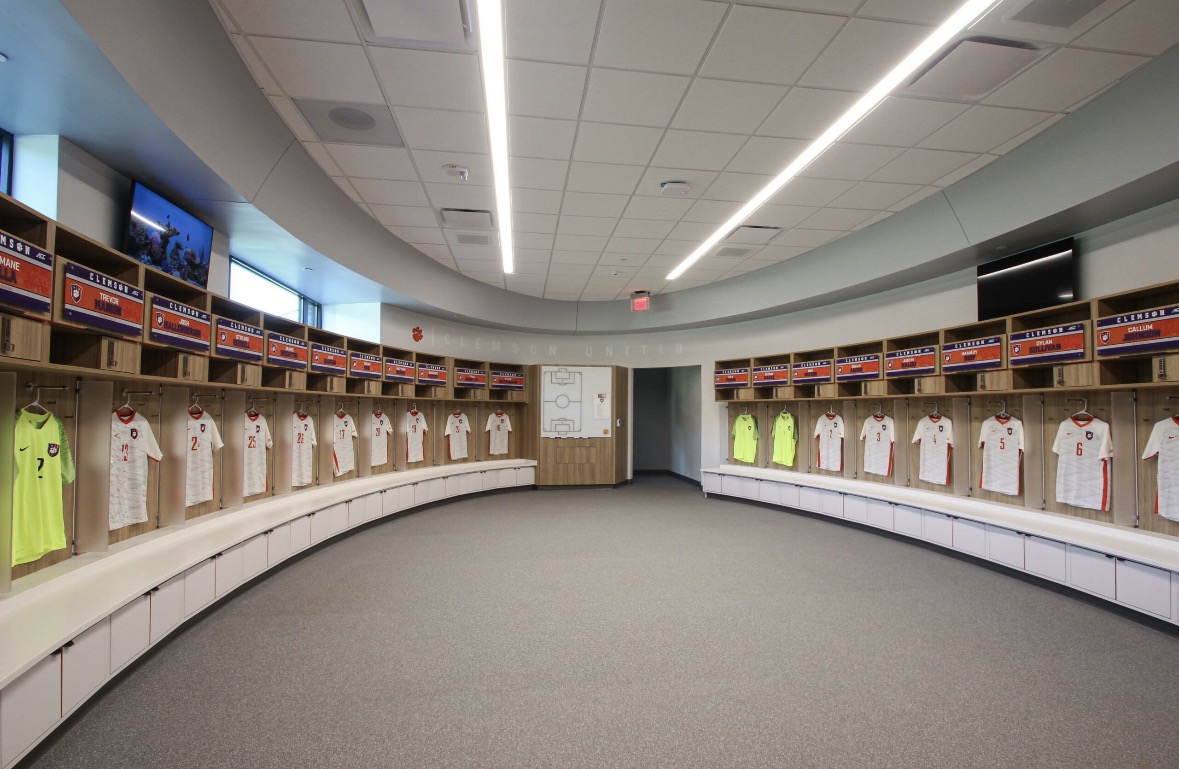
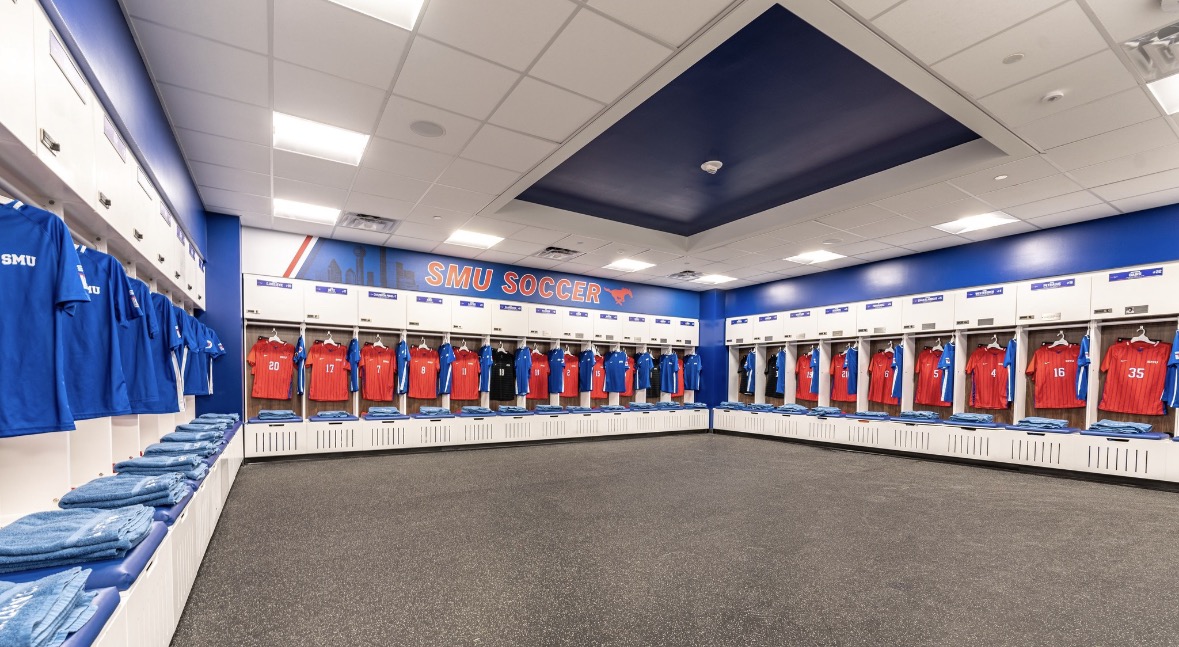
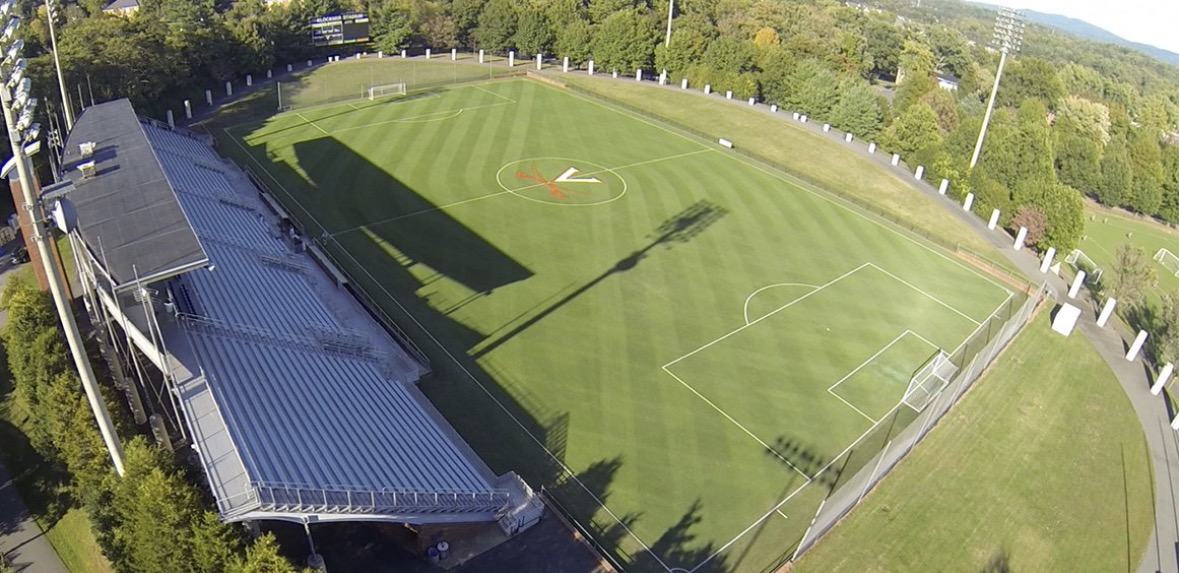
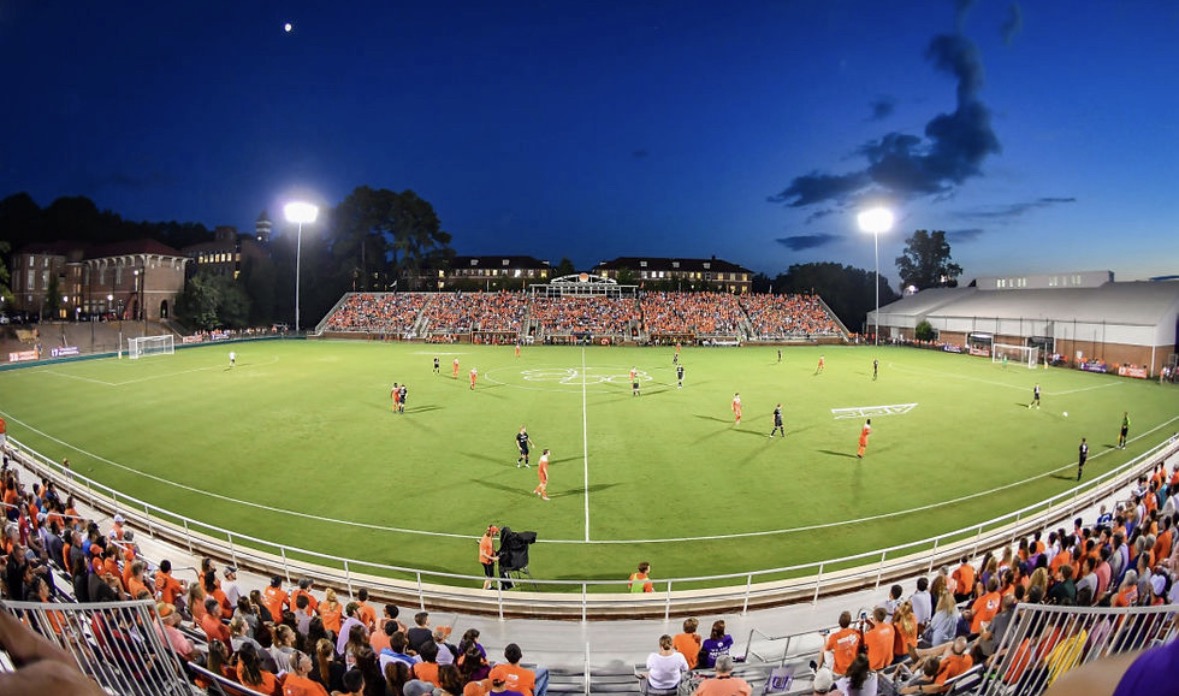
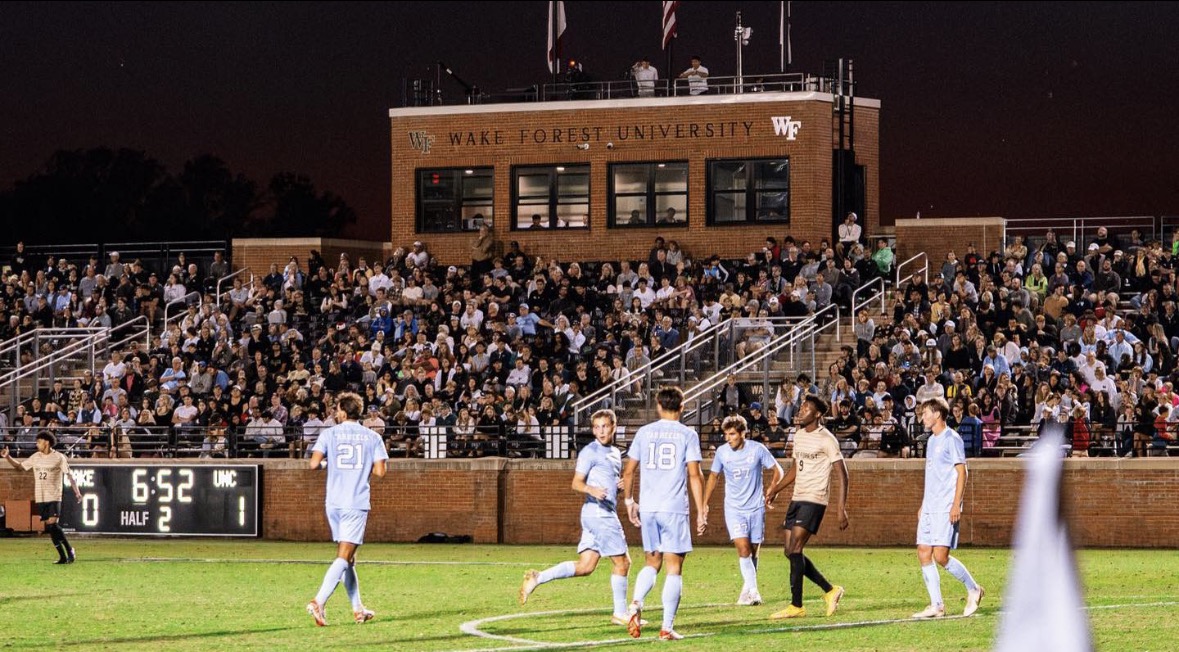


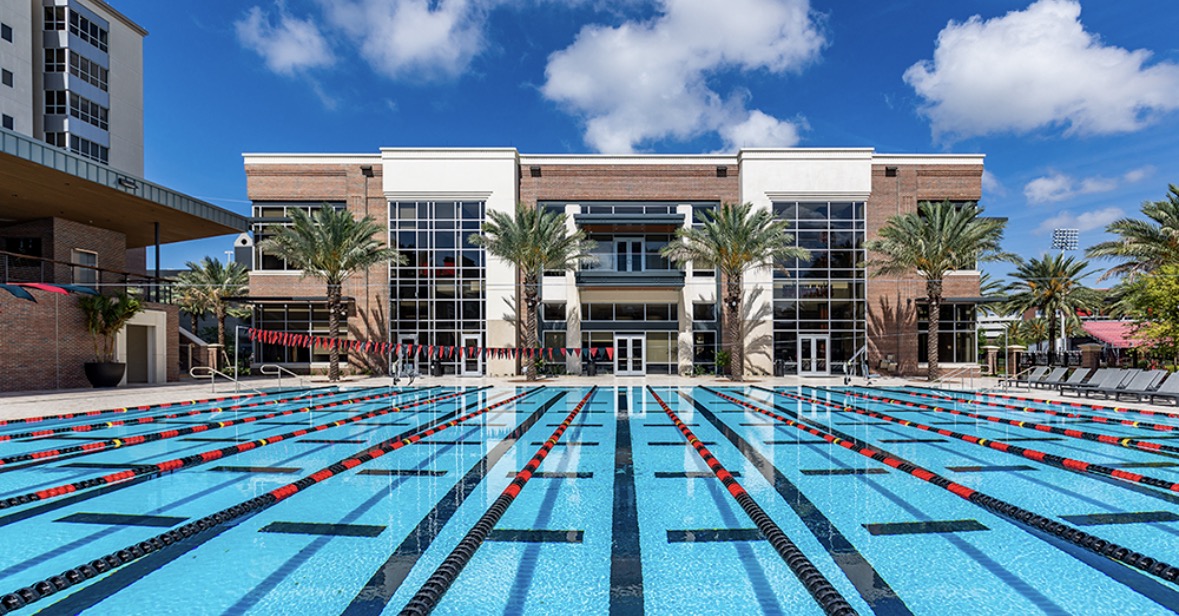
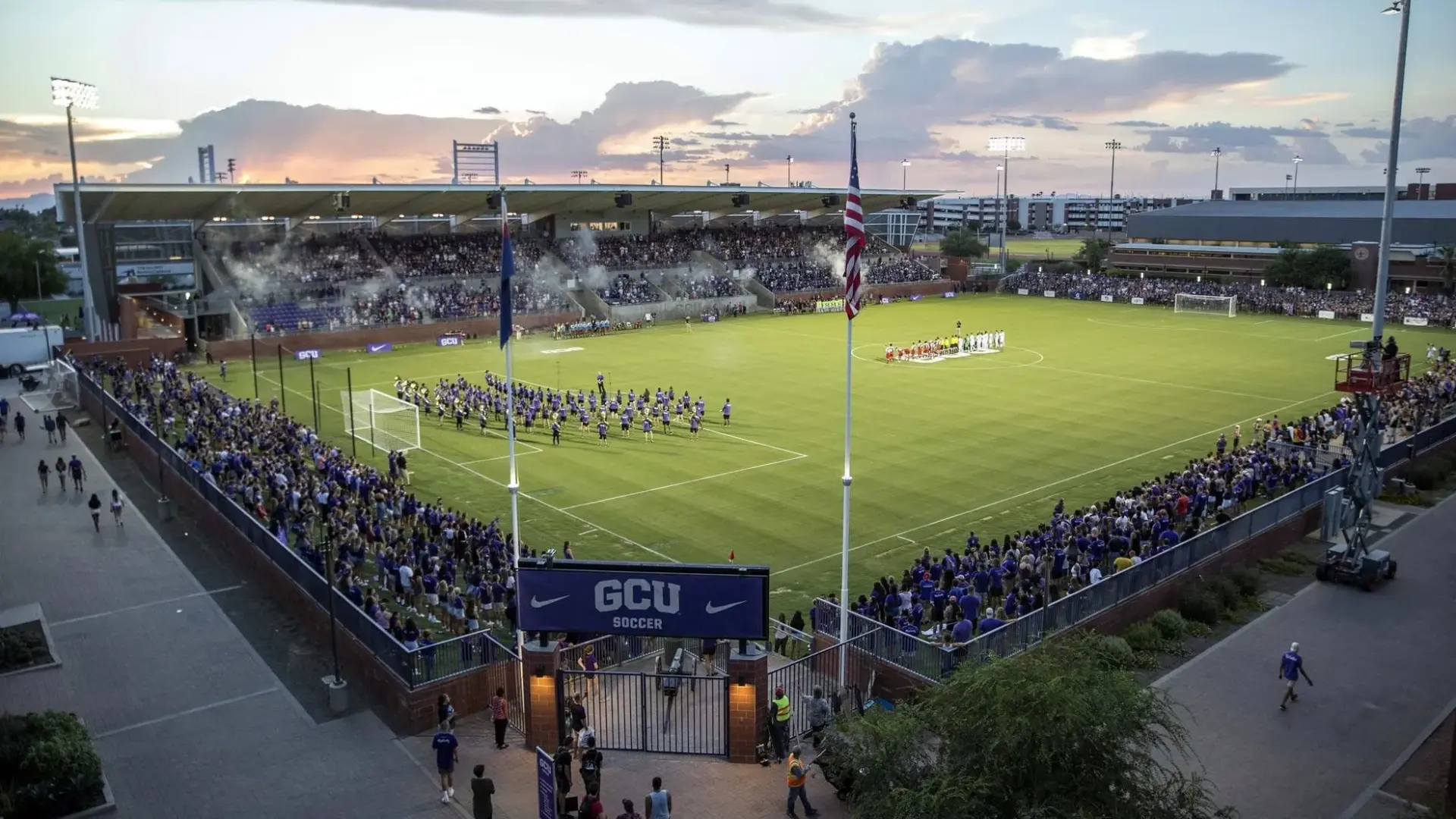
Facilities shown are representative of US college athletic environments.
How to get matched to the right program
You don't have to figure out scholarship rules alone. We do the matching for free.
- 01
Register your interest
Tell us who you are and how you play.
- 02
We build your profile
Highlights, academics and playing history in a format US coaches read.
- 03
Get matched
We introduce you to programs that fit your level and ambitions.
- 04
Fly out and play
Guidance on eligibility, visas and arrival so you land ready.
Personal review
We look at your details, level and goals to understand what you need.
Realistic program matching
We identify NCAA, NAIA and NJCAA programs that fit your ability and academic plans.
Soccer scholarship questions
Common questions about how college soccer scholarships work for international players.
Can international players get full soccer scholarships?↓
Full athletic scholarships are rare in men's college soccer because coaches split a limited scholarship budget across the whole roster. Most international players receive a partial athletic award combined with academic or international scholarships and financial aid. We help you build a profile that maximises the total package, not just the athletic portion.
Do Division III schools offer athletic scholarships?↓
No. NCAA Division III programs cannot offer athletic scholarships, but they often provide strong academic and need-based aid that can cover a large share of costs. For some international players, the total aid package at a DIII school rivals what a partial athletic scholarship offers elsewhere.
How many soccer scholarships does a program get to give?↓
It depends on the division and whether the program is men's or women's. NCAA Division I men's programs can offer the equivalent of 9.9 full scholarships, but coaches almost always split these across many players. NAIA and NJCAA programs also offer athletic aid with their own limits. We explain the specifics for your target programs once you register.
What GPA or academics do I need for a soccer scholarship?↓
Eligibility centres like the NCAA Eligibility Center and NAIA require a minimum core-course GPA, and stronger academics unlock more academic aid that can stack on top of an athletic award. International students usually need certified transcripts and an English test such as the TOEFL or IELTS. The exact numbers depend on your target division and school.
Which division gives me the best chance at scholarship money?↓
There is no single best division. NCAA Division I has the largest budgets but the most competition for roster spots. Division II, NAIA, and NJCAA programs often recruit internationally and combine athletic, academic, and international aid in ways that can be more generous overall for the right player. The best fit depends on your level, academics, and goals.
Find your scholarship fit.
Register your interest and we'll identify the programs where your level and academics unlock the strongest funding package.
Register your interest